

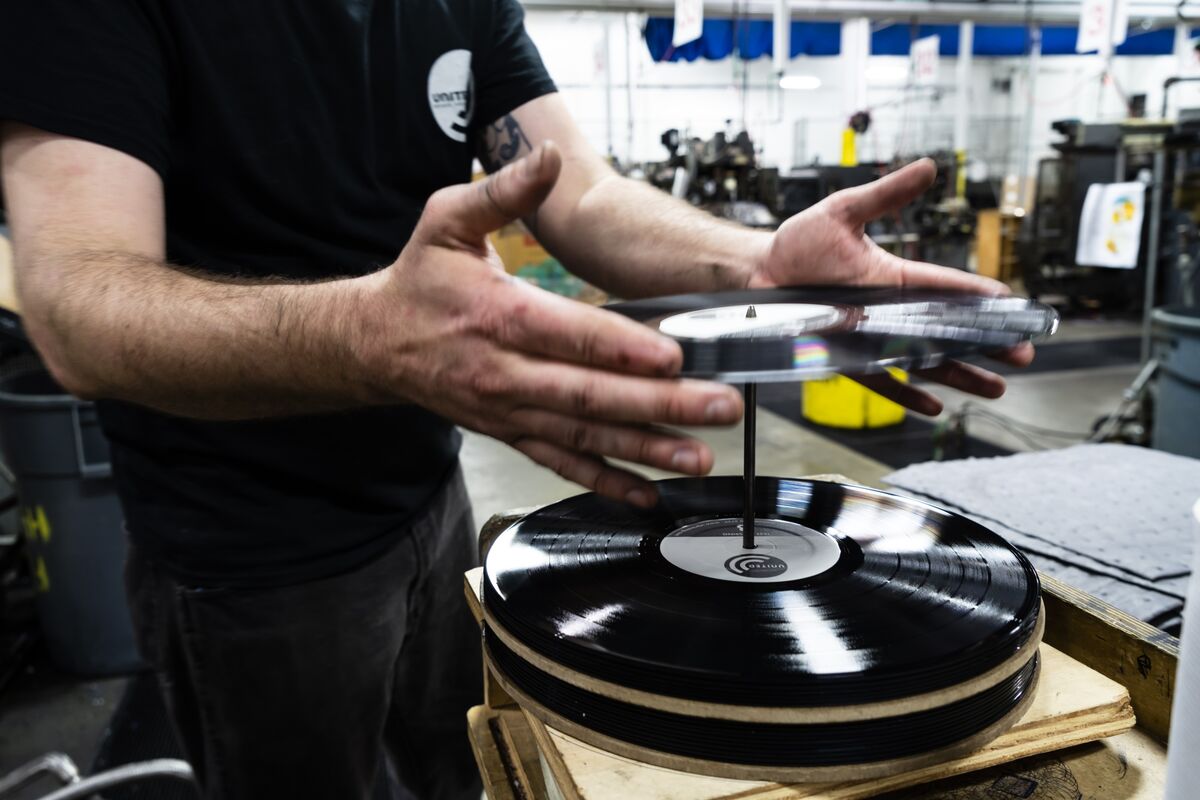
In an era where millions of songs sit quietly inside the pocket of your smartphone, accessible instantly with a single screen tap, the physical music market is experiencing a profound renaissance. Streaming platforms offer infinite convenience, giving listeners access to nearly every recorded track in human history within seconds. Yet, despite this digital dominance, vinyl records have staged an extraordinary commercial comeback, outselling compact discs and capturing the imagination of a new generation of audiophiles. Walking into a local record store on a weekend afternoon reveals teenagers flipping through cardboard sleeves alongside older music veterans.
This resurgence is far more than a passing hipster fad or a fleeting nostalgic wave. It represents a deeper cultural pushback against the hyper-fast, intangible nature of modern consumption. People are craving authenticity, tangible ownership, and a deliberate ritual in how they experience art. Examining the psychological, sonic, and cultural factors driving this analog revolution reveals why black wax continues to conquer the digital age.
The Search for Tactile Ownership and Ritual
Digital music streaming has made songs entirely weightless and invisible. While convenience is a massive perk, it comes with a psychological drawback: music has largely transformed into background noise rather than an intentional event.
-
Physical Connection: Holding a heavy twelve-inch record sleeve in your hands, admiring the cover artwork, and reading the liner notes creates a multisensory experience that a glowing smartphone screen simply cannot match.
-
The Ritual of Playing Music: Dropping a needle onto a spinning vinyl record requires physical presence and focus. You cannot simply skip tracks effortlessly, which forces you to listen to an entire album from start to finish as the artist originally intended.
-
Displaying Identity: Vinyl collections act as physical extensions of personal identity. Stacking crates of records in a living room tells a story about who you are and what music moves your soul in a way digital playlists hidden in an app never could.
The Unique Warmth of Analog Sound Quality
A common debate among music enthusiasts centers on whether analog audio sounds genuinely superior to high-bitrate digital audio files. While digital formats offer pristine clarity and zero surface noise, vinyl offers something different.
-
Warmth and Harmonic Distortion: Analog sound waves are continuous, whereas digital audio chops sound into discrete digital samples. The physical nature of vinyl introduces a natural warmth and subtle harmonic distortion that many human ears find softer and more pleasing.
-
Dynamic Range Compression: Modern digital music often suffers from the loudness war, where audio tracks are compressed to sound as loud as possible on tiny phone speakers. Vinyl mastering often preserves a wider dynamic range, allowing for deeper bass notes and more breathable treble.
-
Active Listening Habits: The physical limitations of vinyl, such as hearing faint pops and crackles, remind the listener that they are engaging with a physical mechanical process, heightening emotional immersion.
The Influence of Gen Z and Millennial Collectors
A major misconception about the vinyl revival is that it is driven exclusively by older generations trying to relive their youth. In reality, younger demographics are fueling a significant portion of current sales.
-
Rebellion Against the Cloud: Younger generations who grew up entirely in the cloud are discovering the novelty and satisfaction of owning physical media that tech companies cannot delete or alter with a software update.
-
Limited Edition Collectibility: Modern pop superstars like Taylor Swift and Billie Eilish frequently release colorful, limited-edition vinyl variants that turn album releases into high-stakes collector events.
-
Community Spaces: Independent record stores have evolved into vibrant cultural hubs where young music fans gather to discover underground artists, attend live in-store acoustic sets, and connect with like-minded peers.
The Evolution of Modern Turntables and Technology
The comeback of vinyl has been heavily supported by advancements in hardware engineering, making record players more accessible and user-friendly than ever before.
-
Plug-and-Play Simplicity: Gone are the days when a turntable required complex stereo receivers, heavy amplifiers, and separate phono preamps just to get started. Modern turntables feature built-in preamplifiers and Bluetooth connectivity.
-
Bridging Analog and Digital: Many contemporary record players allow users to spin physical vinyl while simultaneously pairing wirelessly with modern Bluetooth headphones or home smart speakers.
-
Affordable Entry Points: High-end audiophile gear still commands steep prices, but reliable, entry-level turntables ensure that curious beginners can test out the hobby without breaking the bank.
Frequently Asked Questions
Why do some vinyl records sound worse than their digital counterparts?
If a modern vinyl record is pressed directly from a poorly mastered digital audio file without proper analog conversion, it will not sound better than a high-resolution streaming file. The superior sound quality of vinyl depends heavily on whether the original master tape or mix was optimized specifically for analog pressing.
Will vinyl records ever completely replace digital streaming?
Vinyl will never replace streaming because convenience remains king for the majority of everyday listeners. Streaming is ideal for workouts, commutes, and background work music, whereas vinyl is reserved for dedicated, focused home listening sessions.
How should I properly store and clean my vinyl collection?
Records should always be stored vertically in protective outer sleeves away from direct sunlight and extreme heat to prevent warping. To clean them safely, use an anti-static carbon fiber brush before every play, and use a specialized microfiber velvet record cleaning solution for deeper dust removal.
What is the difference between standard black vinyl and colored vinyl?
Aesthetically, colored, splattered, or picture-disc vinyl looks striking and collectible. Sonically, pure black vinyl is made from virgin vinyl compound with carbon black added for lubrication, which historically provided slightly quieter background noise and longer durability than early experimental color formulas.
Are vintage thrift store records better than newly pressed vinyl?
Vintage records from the seventies and eighties often feature superior dynamic mastering from original analog master tapes, but they frequently suffer from deep scratches, groove wear, and heavy warping. New vinyl guarantees a pristine physical surface, though its audio quality depends on modern digital-to-analog mastering techniques.
How does the physical needle actually make sound on a record?
As the turntable platter spins, the microscopic needle tip follows the physical winding grooves pressed into the vinyl. The microscopic bumps and valleys in the groove wall cause the cantilever attached to the needle to vibrate, which electromagnetic coils inside the cartridge convert into an electrical audio signal.
Is it true that playing records wears them out over time?
Every time a diamond stylus physically tracks through a vinyl groove, microscopic friction causes very slight wear and tear on the high-frequency modulation walls. However, if your turntable stylus is clean, properly balanced, and tracking at the correct recommended vertical tracking force, a well-maintained record can be played hundreds of times without noticeable degradation.

Comments are closed.