

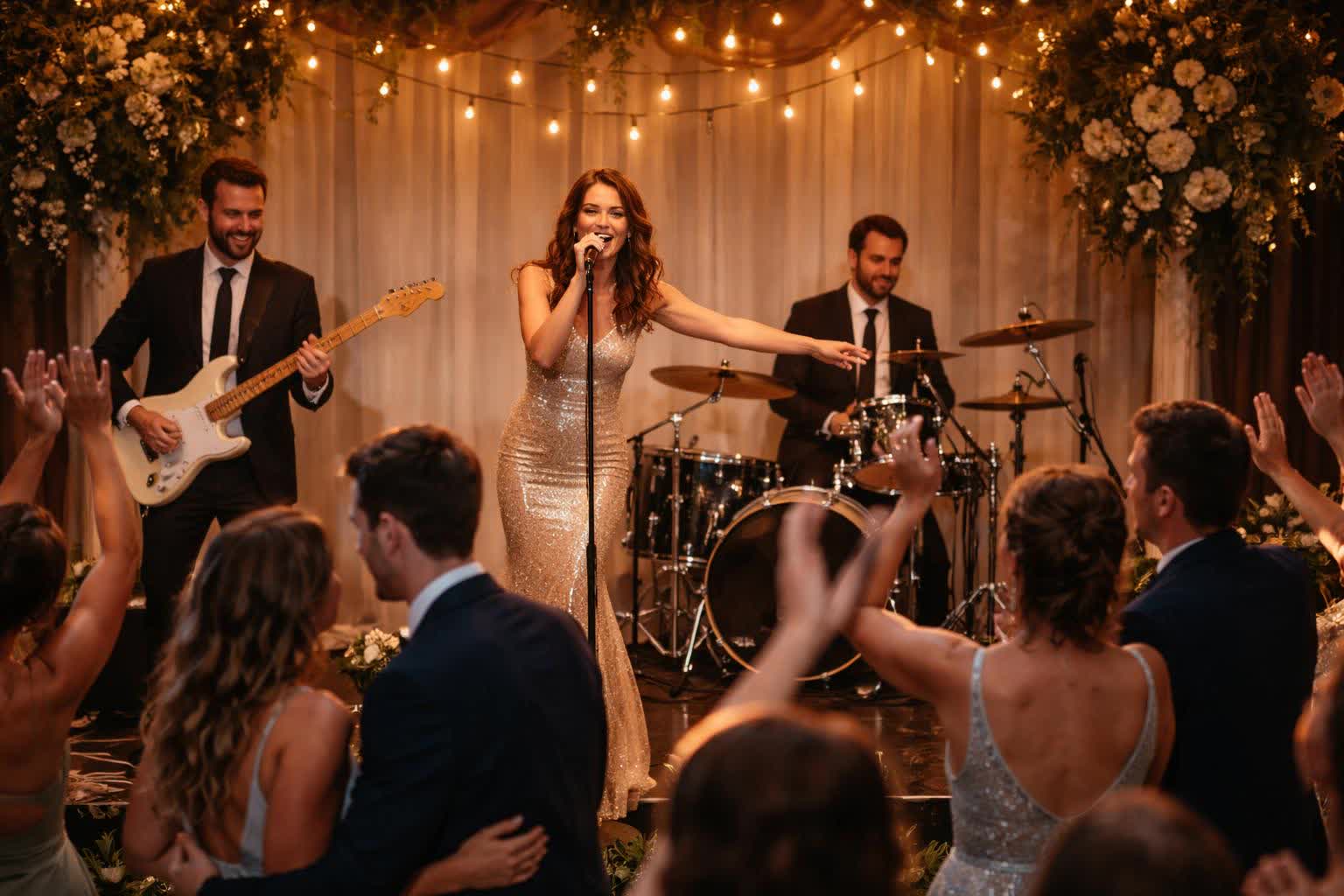
Planning a wedding involves making countless decisions that shape the memories you and your guests will cherish for a lifetime. From the floral arrangements to the multi-course dinner, every detail contributes to the overarching atmosphere of the celebration. Among all these elements, entertainment holds a uniquely powerful position. While a pre-recorded playlist can keep background noise at bay, incorporating live music into your wedding day fundamentally transforms the guest experience. Live performers bring an undeniable energy, emotional depth, and spontaneous interaction that digital speakers simply cannot replicate.
When couples invest in live musicians, whether it is a string quartet for the ceremony, a jazz trio during cocktail hour, or a high-energy cover band for the reception, they are investing in the emotional heartbeat of their event. Music dictates the pacing of the day, bridges awkward silences, and brings people together on the dance floor in a way few other elements can. Understanding how live music influences guest perception and emotional engagement highlights why professional performers remain a cornerstone of unforgettable celebrations.
Setting the Emotional Tone During the Ceremony
The wedding ceremony marks the most sacred and emotionally charged part of the day, and the accompanying music acts as the emotional narrator for the proceedings.
-
Amplifying Anticipation: Hearing live instrumentalists play processional music builds genuine suspense and emotional resonance as the wedding party enters, preparing guests to witness the commitment.
-
Creating Personal Connections: Live musicians can often customize tempos or arrange special acoustic versions of meaningful songs that reflect the couple’s unique story.
-
Smoothing Transitions: A live harpist or classical guitarist can effortlessly fill natural lulls, such as during the signing of the marriage license or lighting of unity candles, keeping guests peacefully engaged.
Elevating the Cocktail Hour Atmosphere
The transition from the solemnity of the ceremony to the celebratory mood of the reception happens largely during the cocktail hour. Music plays a vital role in easing this shift.
-
Encouraging Natural Conversation: A dynamic live jazz trio or acoustic duo provides sophisticated background ambience that encourages guests to mingle, laugh, and catch up without needing to shout over deafening speakers.
-
Preventing Energy Laps: A sluggish cocktail hour can dull the momentum of the day. Upbeat, breezy live performances inject vitality into the room, keeping guests excited for the main reception.
-
Showcasing Personality: Couples can use this hour to showcase their favorite musical genres, offering a taste of their personal style through specialized performers like Latin guitarists or blues singers.
Driving Reception Energy and Dance Floor Engagement
The reception is where live music truly shines, dictating whether guests stay glued to their seats or pack the dance floor until the venue lights turn on.
-
Reading the Room in Real Time: Unlike a static playlist, an experienced live band watches the crowd, adjusting song choices, tempos, and arrangements instantly to match the energy of the room.
-
Providing Dynamic Stage Presence: Talented front singers and musicians interact directly with the audience, taking requests, hyping up the crowd, and creating memorable moments of shared joy.
-
Blending Genres Seamlessly: Professional bands possess the technical versatility to pivot smoothly from classic Motown hits to modern pop anthems, ensuring every demographic in the room finds something to enjoy.
Creating Lasting Memories and Shared Experiences
At its core, a wedding is a communal celebration of love. Live entertainment acts as a catalyst for collective joy that binds guests together.
-
The Spectacle Factor: Watching skilled artists play instruments live adds a layer of theatrical visual art to the room, giving guests something fascinating to watch while they dine or rest.
-
Shared Cultural Moments: Live performances often spark spontaneous sing-alongs, group dances, and emotional cheers that transform individual attendees into a cohesive, celebratory community.
-
Long-Lasting Impressions: Guests rarely remember the exact color of the napkins, but they vividly remember if the band brought the house down during the final song of the night.
Frequently Asked Questions
Is a live band always better than a professional wedding DJ?
Neither option is universally better, as they serve different stylistic preferences. Live bands offer unmatched visual energy, raw instrumentation, and interactive performance flair, while DJs excel at seamless beat-matching, playing exact original artist recordings, and managing massive song libraries.
How do live musicians handle breaks during a long reception?
Professional bands schedule their sets strategically to align with natural event breaks, such as during dinner service. When the band steps away for a brief fifteen-minute rest, they typically provide background dinner music through a curated playlist so the atmosphere never drops.
What are the main logistical challenges of hiring live music?
Live bands require adequate physical space, specific electrical power configurations, and sometimes a dedicated stage setup. Additionally, feeding a live band and their technical crew must be factored into your catering arrangements and timeline.
How far in advance should we book a wedding band or ensemble?
Popular live wedding bands and high-demand ceremony musicians often book out anywhere from nine to eighteen months in advance, especially for peak spring and autumn wedding weekends. Early booking ensures you secure your preferred artists.
Can live musicians learn a custom song for our first dance?
Most professional wedding bands are happy to learn a special song for your first dance or processional, provided you give them sufficient notice, usually at least six to eight weeks before the wedding date, to rehearse and arrange the track properly.
How do we manage volume levels so older guests are not overwhelmed?
Experienced professional sound engineers and band leaders utilize modern sound equipment and digital mixing boards to control decibel levels. They balance the acoustics so the dance floor feels energetic while dining tables remain comfortable for conversation.
Do live bands require specific lighting and staging setups?
Most bands prefer a stable elevated stage area and adequate stage lighting to perform safely and look visually striking. If the venue lacks stage lighting, many bands bring their own professional lighting truss to enhance the overall ambiance of the room.

Comments are closed.