

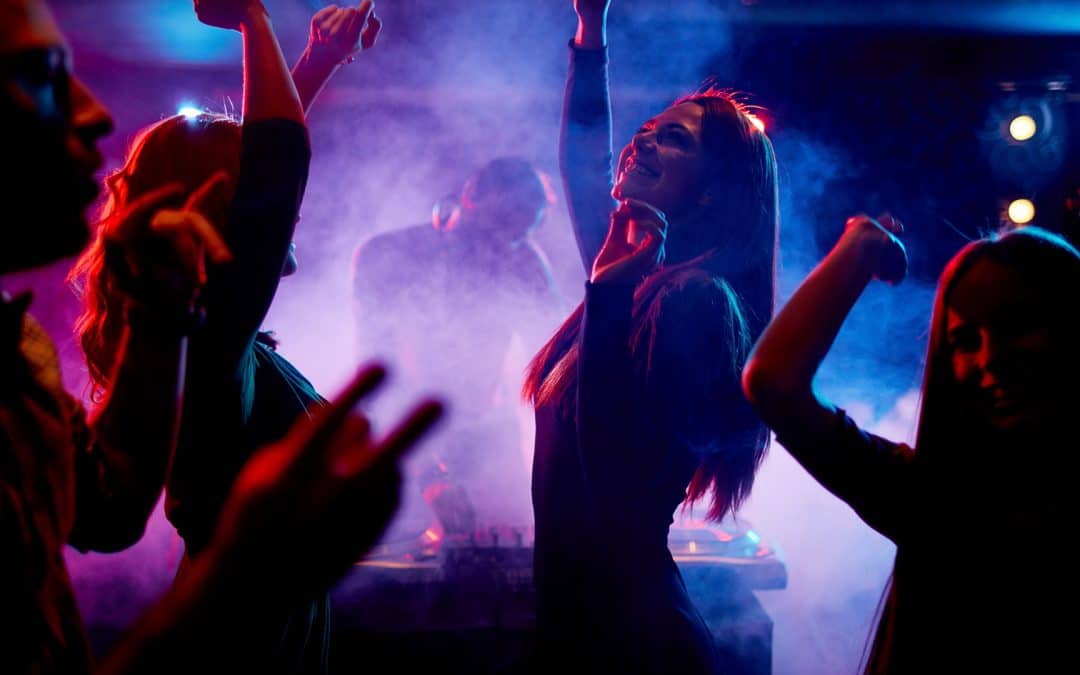
When the sun dips below the horizon in major cultural capitals across the world, a different kind of life awakens. For nightclub enthusiasts, traveling is rarely just about visiting historical monuments or lounging on scenic beaches by day. It is about discovering the pulse of a city after dark, experiencing underground sonic movements, and losing track of time in legendary dance spaces. From converted industrial warehouses playing pulsating techno to opulent rooftop venues overlooking glittering skylines, the global nightlife landscape offers an astonishing variety of experiences for dedicated music lovers.
Embarking on a global nightlife tour requires knowing where to look beyond standard tourist traps. Different cities possess distinct sonic identities, door cultures, and peak operational hours that shape the evening. Exploring these premier international nightlife destinations reveals what makes their local scenes unique, helping you navigate the world stage with confidence. Whether you prefer immersive underground electronic music culture or high-octane commercial clubbing, these exceptional cities stand out as the ultimate global hubs for nightclub enthusiasts.
Berlin: The Global Capital of Techno Culture
Berlin holds a legendary status in the global electronic music community, largely built on its rich post-reunification history, abandoned industrial architecture, and uncompromising dedication to underground club culture.
-
Industrial Aesthetics: Many of the city most famous clubs are housed inside disused power plants, abandoned factories, and old bunkers, offering raw, cavernous environments that amplify heavy basslines.
-
Uncompromising Door Policies: Gaining entry to iconic Berlin institutions involves navigating strict door selections that prioritize music knowledge, inclusivity, and vibe over high-end fashion or bottle service wealth.
-
Marathon Operating Hours: Nightlife in Berlin operates on a completely different timeline compared to most cities. Parties frequently start late on Friday night and run continuously straight through until Monday morning.
Ibiza: The Legendary Mediterranean Party Island
For decades, Ibiza has served as the undisputed summer capital of electronic dance music, drawing international crowds, world-class DJs, and dedicated partygoers to its shores every single year.
-
Superclub Extravaganzas: The island is home to massive entertainment complexes capable of hosting thousands of guests, featuring breathtaking theatrical production, aerial acrobats, and state-of-the-art laser shows.
-
Open-Air Dancing Under the Stars: Unlike dark basement venues found in colder climates, Ibiza capitalizes on its warm Mediterranean climate by featuring expansive open-air gardens and poolside dance floors.
-
The Historic Residency Model: Top-tier global DJs secure exclusive weekly residencies throughout the summer season, allowing fans to plan their vacations around specific artist performances.
Tokyo: A Diverse Tapestry of Intimate Sound Spaces
Tokyo nightlife operates on an entirely different spectrum of scale and style, offering everything from massive multi-level electronic venues to tiny, hyper-niche bars tucked away in narrow alleyways.
-
Sonic Precision and Sound Design: Japanese sound engineering is world-renowned. Even compact underground bars invest heavily in bespoke rotary mixers, vintage analog gear, and custom sound systems for crystal-clear acoustics.
-
Distinct Neighborhood Identities: Districts like Shinjuku, Shibuya, and Roppongi each offer completely different nightlife atmospheres, ranging from gritty indie rock dens to ultra-modern commercial dance clubs.
-
Impeccable Hospitality and Safety: Tokyo nightlife is characterized by extreme safety, cleanliness, and polite crowd behavior, allowing visitors to explore diverse venues late into the night without anxiety.
London: A Resilient Pioneer of Electronic Music Evolution
London has spent decades shaping global dance music history, birthing genres like jungle, drum and bass, UK garage, and grime while maintaining a fierce commitment to club culture.
-
Eclectic Musical Diversity: While techno and house dominate many European capitals, London embraces a vast spectrum of sounds, ensuring that dubstep, hip hop, afrobeat, and disco all find dedicated spaces.
-
Late-Night Public Transit: The implementation of the weekend Night Tube on underground train lines makes traveling between different nightlife districts across the sprawling metropolis seamless and affordable.
-
Community-Driven Spaces: Despite ongoing challenges with urban development and venue closures, grassroots promoters and independent collectives continue to launch innovative parties in unconventional spaces.
New York City: The Birthplace of Modern Club Culture
New York City remains an influential titan in the global nightlife scene, carrying forward a rich heritage that traces its roots back to disco, loft parties, and underground hip hop history.
-
Seamless Blend of Luxury and Underground: The city offers stark contrasts, allowing you to transition from an exclusive Manhattan rooftop lounge with panoramic skyline views to a gritty Brooklyn warehouse party in the same evening.
-
Late-Night Culinary Integration: Many premier nightlife venues feature exceptional dining programs, allowing visitors to enjoy gourmet meals before the tables are cleared and the resident DJ takes over the room.
-
Diverse Crowd Dynamics: New York draws creative professionals, fashion designers, and music enthusiasts from every corner of the planet, creating a melting pot of styles and energetic interactions on the dance floor.
Frequently Asked Questions
What are the general age restrictions for entering nightclubs internationally?
While the legal drinking age in the United States is twenty-one, many international nightlife capitals set their legal drinking and club entry age at eighteen. However, certain high-end venues or exclusive VIP events may enforce a strict private policy of twenty-one or older regardless of local laws.
How can I avoid scams or counterfeit tickets when visiting clubs abroad?
Always purchase event tickets directly through official venue websites or verified ticketing platforms like Resident Advisor or Dice. Avoid purchasing tickets from street promoters or unverified resale websites outside the venue entrance.
What is the best way to handle dress codes when traveling for nightlife?
Dress codes vary wildly depending on the city and the specific venue. High-end commercial clubs in cities like Miami or Ibiza often enforce strict upscale attire guidelines, whereas underground techno venues in Berlin strongly favor casual, all-black street wear. Checking the venue social media pages beforehand is always wise.
Do most international nightclubs accept credit cards or cash?
While major global clubs increasingly accept contactless mobile payments and credit cards, carrying some local physical cash is essential. Many underground venues, coat checks, and smaller bars still operate on a cash-only basis, or experience occasional card machine network outages.
How do I find out about secret or underground warehouse parties in a new city?
Underground parties are rarely advertised on mainstream public calendars. Networking with local record store employees, talking to friendly bartenders, and following independent local collectives on social media are the best ways to discover pop-up events.
Is it customary to tip bartenders in nightclubs outside of the United States?
Tipping culture is largely a North American phenomenon and is not universally expected or practiced in most European or Asian nightlife venues. While tipping is always appreciated for exceptional service, many international countries include service fees directly on the bar tab.
How can I protect my hearing during long nights at loud clubs?
Investing in a pair of high-fidelity musician earplugs is crucial for frequent clubbers. Unlike cheap foam earplugs that muffle sound entirely, high-fidelity filters reduce decibel levels safely while preserving the clarity and quality of the music.

Comments are closed.